

CBD & Allergies
In our high pressure world, it doesn’t take much for stress to boil over. We can all use some help unwinding and getting a good night’s rest at the end of the day. This is where CBD might be able to help.
Cannabinoids are the active ingredients in the cannabis plant. The CBD cannabinoid is derived from hemp and found in many medical marijuana products. It’s popular for its potential to calm stressed-out minds and help people sleep more quickly and soundly. But when we think of CBD, we don’t often think of allergies. So, let’s explore what CBD is, where it comes from and what it can do.
What is CBD?
One of 113 active cannabinoids, CBD is often confused with other naturally occurring compounds produced by cannabis. For example, THC provides the “high” from cannabis, while CBD serves to soothe anxiety and stress. Research also suggests that CBD presents a low risk for dependency and addiction.
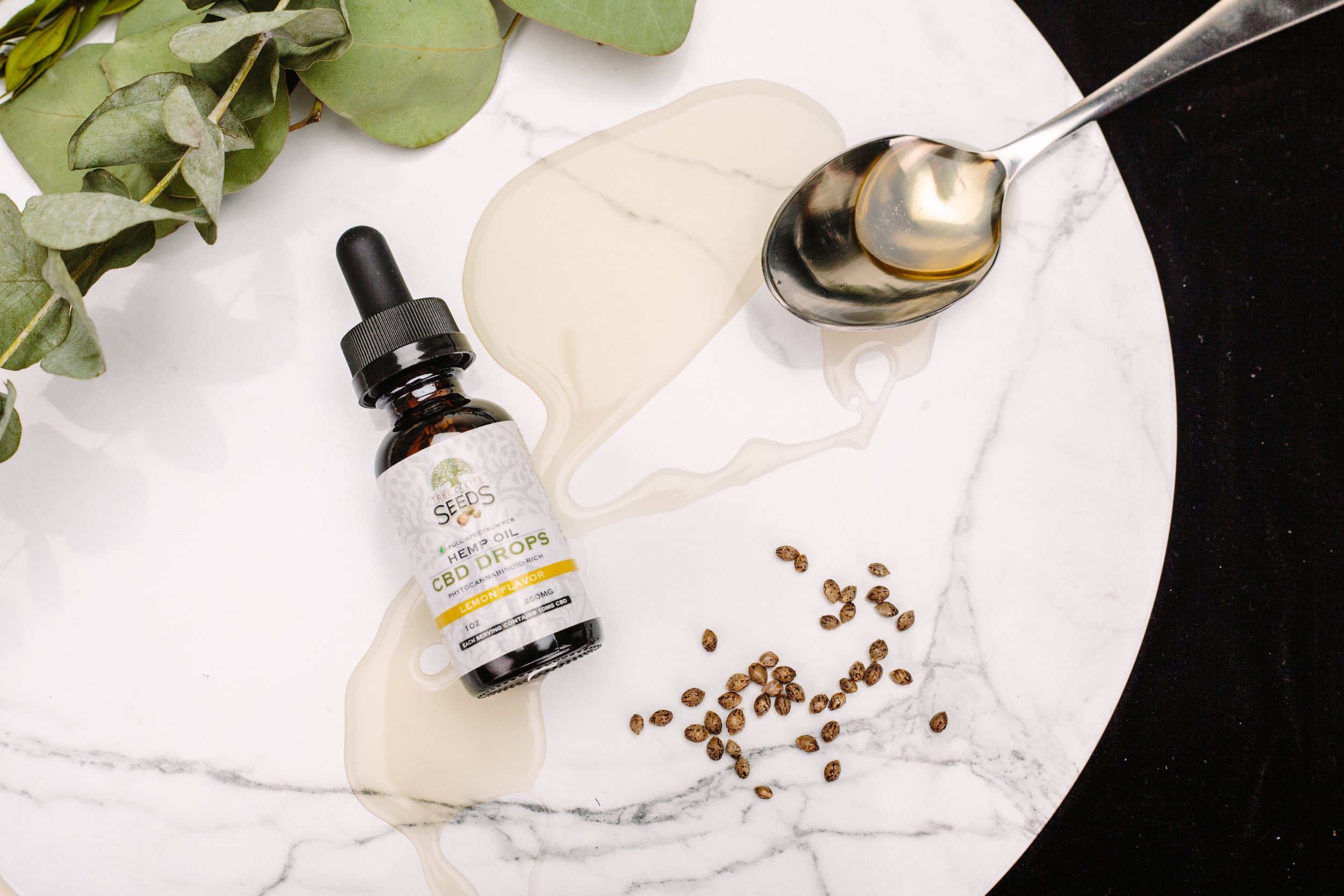
CBD is derived from the hemp plant and can be made into a tincture or infused into oil as well as used in tea, creams, bath bombs and other similar products. CBD is highly flexible and as a result, provides a tremendous range of beneficial effects. But can it help with allergies?
Can CBD Treat Allergies?
There are no definitive studies revealing CBD as a reliable therapeutic response to allergies. In some cases, CBD may even act as an irritant which can exacerbate allergy symptoms. But much depends on the product. If, for example, someone is ingesting low-quality hemp or vaping oils containing heavy metal contaminants, inflammation and potential allergic reactions may be worsened.
Under a doctor’s supervision, CBD and cannabis may be added to therapeutic plans for anxiety, pain and even inflammation. Where allergies are concerned, some experimental studies have shown positive results in mice. CBD was introduced into mice with allergic asthma and researchers noted a reduction in fibrosis and airway inflammation after the introduction of CBD.
While testing on humans is still in the future, research reveals hope for people seeking effective allergy relief. Organic, all-natural CBD has shown incredible potential for supporting human health in myriad ways that science is only recently validating with evidence.
Current CBD Therapies
Currently, the FDA has only approved CBD for medical use in the treatment of epilepsy, which must be prescribed by a doctor under the name Epidiolex. While CBD is established as relatively safe, it hasn’t been approved for over-the-counter or emergency medical treatment. There are many incredible cannabis delivery services out there, but medical emergencies call for approved treatments dispensed by accredited professionals.
Those with terpene allergies should avoid using CBD. While some studies have shown an antihistamine-like reaction when CBD is ingested, a terpene allergy defeats the entire purpose of using CBD. Even the epilepsy treatment, Epidiolex, presents a small potential for provoking rashes. Always be sure to contact your doctor before using CBD. And should you encounter a terpene sensitivity, try a detox product to flush the substance from your body.
Does CBD Help Allergy Sufferers?
CBD has not been clinically established as an effective treatment for allergic reactions. But as a relatively safe substance, it promotes overall wellness, relaxation and homeostasis (balance in the body). But whether you’re planning to pop it in a vaporizer or enjoy it as an edible, remember to check in with your doctor prior to use.
Third party-tested, carefully extracted, farm-to-table CBD produces a wide range of benefits. Whether your goal is improved clarity or unwinding after a challenging day, CBD can help. This flexible hemp derivative can be consumed in many different ways, so find the form that works best for you and experience the benefits of CBD!
Tess DiNapoli is an artist, freelance writer, and content strategist. She has a passion for yoga and often writes about health and wellness, but also enjoys covering the fashion industry and the world of fitness.
